Early Signs of Baldness Every Man Should Know
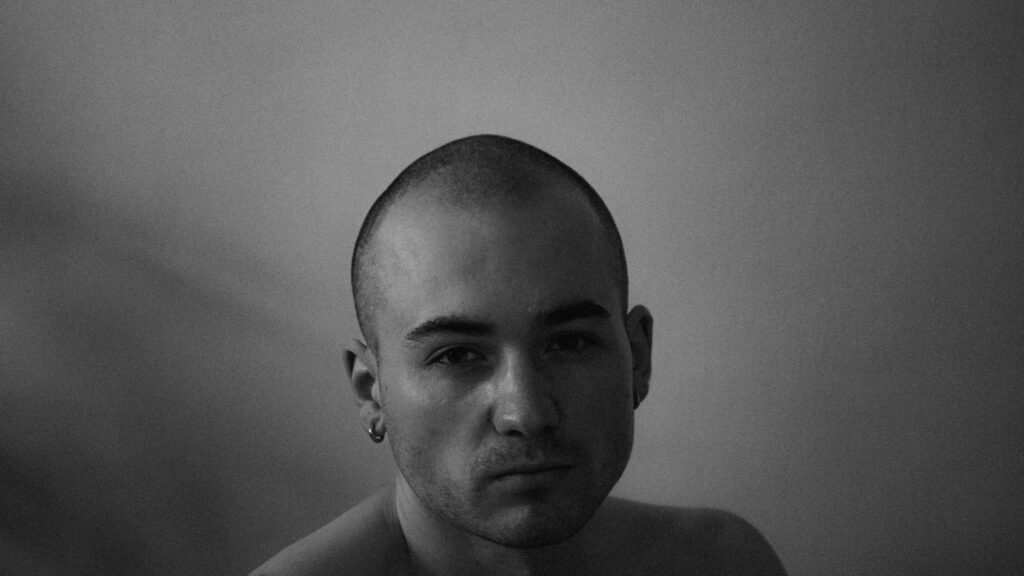
Hair loss rarely announces itself with a dramatic moment. For most men, it’s a quiet shift: a little more scalp showing in photos, a stubborn swirl at the crown, hair that suddenly won’t hold the same style. I’ve worked with hundreds of men at those first crossroads, and the same pattern repeats—those who spot the early signs and act tend to keep much more of their hair long term. You don’t need to panic, but you do need to understand what to look for, how to track it, and which steps give you real leverage. Think of this as your field guide to catching baldness early and responding with confidence.
Why Early Detection Matters
Hair loss from male pattern baldness (androgenetic alopecia) is a slow exchange of thick, robust hairs for thinner, shorter, weaker ones. It’s called miniaturization, and it’s a one-way road without treatment. The earlier you interrupt that process, the more hair you can preserve—and the better your odds of regrowth. Treatments protect hair that’s still alive and miniaturizing; they don’t resurrect follicles that have been dormant for years.
Timing also affects psychology. When you move early, you avoid the rollercoaster of panic buys and miracle cures. You’ll save money by focusing on what works and avoid the frustration of chasing results that would have been easier to secure six or twelve months earlier.
How Male Pattern Baldness Works
Male pattern baldness is driven by genetics and hormones, chiefly dihydrotestosterone (DHT), a derivative of testosterone. In genetically susceptible follicles—usually at the temples, hairline, and crown—DHT gradually shortens the growth phase (anagen) and shrinks the hair shaft diameter. Over successive cycles, thick terminal hairs transform into wispy vellus-like hairs before disappearing.
A quick primer on the hair cycle helps make sense of the changes you see:
- Anagen (growth): 2–6 years for scalp hair
- Catagen (transition): ~2 weeks
- Telogen (resting and shedding): ~2–3 months
In male pattern baldness, anagen shortens, telogen often lengthens, and the follicle miniaturizes. That’s why you see more shedding, shorter hairs, and a see-through look in certain areas.
Patterns are predictable. Most men follow versions of the Norwood scale:
- Temple recession forming an M-shape
- Thinning at the crown (vertex)
- Eventually, the two zones connect, leaving a horseshoe of hair on the sides and back
Scale aside, the stats are plain: roughly 50 million men in the U.S. have androgenetic alopecia. About half of men have noticeable thinning by age 50, and the prevalence climbs to around 80% by age 70. Early changes often begin in your 20s or 30s, though the timeline varies.
Your Personal Risk Profile
Before you scrutinize your hairline, take stock of your risk.
- Family history: Your strongest predictor. If your father, mother’s brothers, or grandfathers lost hair early, your chances rise. The “it only comes from your mother’s side” line is a myth—multiple genes from both parents contribute.
- Age of onset in your family: If relatives thinned in their 20s, pay closer attention in your late teens and early 20s.
- Ethnicity: Patterns vary in speed and visibility. For example, Caucasian and Middle Eastern men tend to have higher rates overall, while East Asian men may see slower progression, though this gap appears to be narrowing.
- Health and medications: Thyroid disease, significant weight changes, major illness, and certain drugs can trigger shedding unrelated to male pattern baldness. Anabolic steroids and high-androgen prohormones are a fast track to thinning for susceptible men. Some antidepressants, isotretinoin, and retinoids may trigger shedding in the short term.
- Hair care and styling: Tight braids or locs can cause traction alopecia at the temples and hairline; long-term traction can coexist with male pattern baldness and complicate the picture.
Knowing your risk lets you calibrate how closely you watch for the first signs.
Early Signs to Watch
1) Temple Recession That’s Easy to Miss
The earliest tell for many men is a subtle creeping back at the temples. Look at old photos. If your “juvenile” hairline had a soft U-shape and it’s now forming a slight M, that’s a sign. The giveaway is asymmetry—one temple often recedes a bit faster. Run your fingers along the border; if you feel soft, downy hairs where thick hairs used to be, miniaturization has started.
2) Thinning at the Crown (Vertex)
Crown thinning is sneaky. You won’t see it in the mirror, but photos under overhead lighting, or a friend standing behind you, will. The crown often starts as a subtle spiral that looks less dense, then becomes a “see-through” spot in bright light. Because men don’t check that area often, the crown can progress for months unnoticed.
3) A Widening Part and See-Through Scalp in Strong Light
Stand under bright bathroom or elevator lighting. If your scalp flashes through the top when it didn’t before, or your part looks wider, you’re seeing a density shift. This can be diffuse thinning from male pattern baldness (especially in men who thin evenly across the top) or another cause. The key is comparing with older photos and checking if it clusters at the temples and crown.
4) Miniaturized “Baby” Hairs at the Front
Inspect the front edge when your hair is dry and unstyled. Miniaturized hairs are shorter, finer, and often lighter in color. You’ll notice irregularity—rather than a crisp edge, the hairline looks frayed with tiny, weak hairs that never seem to grow. That gradient of thinner hairs into thicker ones is classic early male pattern baldness.
5) Elevated Shedding—But Interpreted Correctly
Losing 50–100 hairs per day is normal. If you start noticing more hairs on your pillow, in the shower drain, or when you run your hands through your hair, treat it as a signal rather than a diagnosis. A temporary shed can follow illness, a stressful event, rapid weight loss, or starting a new hair treatment (minoxidil can cause a temporary “dread shed” in the first 4–8 weeks). Persistent elevated shedding plus localized thinning suggests progression.
6) Changes in Hair Texture or Volume
Men often describe hair that feels “flatter,” “limper,” or lacks the density to hold its usual shape. You might need more product or find your style collapses faster. This isn’t your imagination; fewer thick hairs mean less structural support for styling.
7) More Scalp Sunburns or Cold Sensitivity
If your scalp sunburns in areas that never burned before—or you feel wind or cold on the crown—you’re noticing increased exposure. Tiny cues like this often precede obvious visual thinning.
8) Feedback From Your Barber or Stylist
Barbers see multiple heads daily and notice shifts in coverage and hairline shape. I’ve had countless clients who dismissed their barber’s early warning, only to circle back a year later wishing they’d paid attention. If a pro mentions changes, take photos and track.
Simple At-Home Checks
You don’t need fancy equipment to get useful data. A few consistent habits can settle the “Am I losing it?” question faster than guesswork.
- Baseline photos: Take high-quality pictures every three months—front (neutral expression, hair pushed back), both temples, top-down (standing on a stool), and crown (use a handheld mirror or have someone help). Shoot under the same lighting, ideally strong overhead light, and do a “wet hair” set to expose density. Consistency is priceless.
- The part test: Create a straight part along the midline. Compare width today with an old photo or measure it against a millimeter ruler edge. If it’s widening over time, density is changing.
- Hair shaft comparison: Pluck or collect a few shed hairs from the front and a few from the sides (non-susceptible areas). Place them on white paper and compare thickness. A noticeable average difference front vs. sides suggests miniaturization on top.
- The pull test: Grasp a small bundle (50–60 hairs) between thumb and forefinger close to the scalp and gently tug. If more than 5–6 hairs come out, shedding is elevated. Repeat in several zones (temples, crown, sides). This isn’t definitive, but it’s a helpful snapshot.
- The 60-second hair count: Before shampooing, comb your hair over a white towel for 60 seconds, collect the hairs, and count. Repeat for three days and average. Use this baseline for future comparison when you suspect a shed.
Distinguishing Male Pattern Baldness From Other Causes
Not all thinning is male pattern baldness. Spotting the difference helps you avoid the wrong treatment.
- Telogen effluvium (stress/illness-related shedding): Sudden, diffuse shedding all over the scalp about 2–3 months after a trigger (fever, surgery, crash diet, major stress). The hairline usually stays intact, and shedding normalizes within 3–6 months after the trigger resolves.
- Alopecia areata: Patchy, round bald spots with sharp borders; may see “exclamation point” hairs at the edges. This is autoimmune and needs professional care; it behaves differently than pattern baldness.
- Traction alopecia: Recession and thinning where hair is pulled tight (temples, hairline). Loosen styles to prevent permanent damage. Can coexist with male pattern baldness.
- Seborrheic dermatitis/psoriasis: Red, flaky, itchy scalp; can increase shedding but doesn’t directly cause permanent loss. Treating scalp inflammation can optimize regrowth efforts.
- Tinea capitis (fungal infection): Patchy hair loss with scaling and sometimes lymph node swelling. More common in children but can affect adults—requires antifungals.
- Nutritional/medical: Low iron, thyroid dysfunction, severe vitamin D deficiency, and crash diets can reduce density. Correcting the deficiency can reverse shedding.
Red flags demanding a professional visit:
- Sudden bald patches or rapid diffuse thinning without a clear trigger
- Itching, pain, redness, or significant scaling with hair loss
- Scarring or shiny, smooth patches where follicles seem gone
- Eyebrow or body hair loss with scalp changes
Common Myths and Mistakes
I hear the same misconceptions weekly. Clearing them now can save you time and anxiety.
- Hats cause baldness: They don’t. Wearing a tight, sweaty hat constantly can irritate the scalp, but it won’t trigger androgenetic alopecia.
- Shampooing makes hair fall out: Washing dislodges hairs that were going to shed anyway. Clean scalp, better outcomes.
- Oils and “clogged pores” cause baldness: Male pattern baldness is genetic/hormonal. Oils can irritate some scalps but they don’t cause pattern loss.
- Buzzing your hair stops hair loss: It can look better, but it doesn’t change the biology.
- Biotin grows hair for everyone: Biotin deficiency is rare; extra biotin won’t fix male pattern baldness. High-dose biotin can interfere with lab tests (including heart attack markers). Don’t megadose without reason.
- Creatine causes baldness: One small study found higher DHT after creatine in rugby players, but evidence linking creatine to baldness progression is limited. If you’re very risk-averse and high-risk genetically, you could avoid it; otherwise, monitor.
- Waiting for the “perfect plan”: Delaying action is the costliest mistake. Early intervention beats perfect intervention later.
What to Do If You Spot Early Signs
Here’s a practical, step-by-step approach I use with clients.
1) Confirm the pattern
- Compare today’s photos with those from 6–12 months ago.
- Look for temple recession, crown thinning, and miniaturized hairs at the front.
- Rule out recent illness, crash dieting, or new medications that could cause temporary shedding.
2) Take a proper baseline
- Capture standard photos under the same light, including wet hair images.
- Do a 60-second hair count and jot down averages.
3) Start evidence-based therapy
- If you’re comfortable with medication, finasteride (1 mg daily) or topical finasteride, plus topical minoxidil 5% once or twice daily, is the most effective combo.
- If you prefer a non-oral start, try topical minoxidil 5% and add ketoconazole 1–2% shampoo 2–3 times weekly. Reassess in 3 months and consider adding oral finasteride if progression continues.
4) Support scalp health
- Treat dandruff/itch with ketoconazole or zinc pyrithione shampoo.
- Avoid harsh bleaching or frequent high-heat styling while shedding.
5) Address lifestyle factors
- Ensure adequate protein intake, manage stress, and sleep 7–8 hours.
- Don’t smoke—smoking is associated with increased hair loss and poorer skin health.
6) Set a follow-up schedule
- Re-photograph every 3 months.
- Expect minimal visible change in the first 3 months, then stabilization or early regrowth from months 4–6.
7) Adjust and layer
- If results plateau at 6 months, consider options like microneedling, low-level laser therapy, or PRP with a reputable clinic.
8) Keep expectations realistic
- The goal is to keep what you have and regain what’s miniaturized, not to turn a Norwood 4 into a juvenile hairline without surgery.
Evidence-Based Treatments That Work Best Early
Finasteride (oral or topical)
- What it does: Blocks 5-alpha-reductase type II, reducing scalp DHT around 60–70% (serum ~70%).
- Typical dose: 1 mg daily.
- Results: In multi-year studies, roughly 80–90% of men maintained or improved hair at 5 years versus significant loss on placebo. Many see visible thickening in 6–12 months.
- Side effects: Low overall. Sexual side effects are reported in about 1–3% of men in trials, close to placebo in some studies. A nocebo effect is real—worrying about side effects can increase reports. Most side effects resolve with discontinuation or dose adjustment. Women who are or may become pregnant should avoid handling crushed tablets.
- Topical option: Topical finasteride lowers scalp DHT with less systemic absorption than oral, though not zero. Studios show improvement, often best when combined with minoxidil.
Professional tip: If you’re anxious about side effects, consider a trial of topical finasteride 0.25% combined with minoxidil. If tolerated and results lag, step up cautiously.
Dutasteride (off-label)
- What it does: Inhibits both type I and II 5-alpha-reductase; reduces DHT more profoundly (up to ~90%).
- Typical dose: 0.5 mg daily or twice weekly in some protocols.
- Results: Often more potent in stubborn cases or crown-dominant thinning.
- Side effects: Similar to finasteride, potentially slightly higher due to potency. Not first-line for most men but useful if finasteride underperforms.
Minoxidil (topical or oral)
- What it does: A vasodilator that extends the growth phase and increases follicle size; works independently of DHT.
- Topical dose: 5% foam or solution, once or twice daily. Foam is less irritating for sensitive scalps.
- Oral low-dose (off-label): Often 1.25–5 mg daily in men; can be very effective for diffusers or those who don’t tolerate topical. Side effects include increased body hair (common), ankle swelling, and rare heart rate changes; discuss with a physician.
- Results: Expect a temporary shed in the first 4–8 weeks as follicles reset. Visible thickening typically starts around month 3–4 and improves through month 12.
Practical insight: Consistency matters more than brand. If twice-daily application kills adherence, use it once nightly. A consistent once daily beats an inconsistent twice daily.
Ketoconazole Shampoo
- Role: Anti-fungal and anti-inflammatory; may mildly reduce scalp DHT and improve scalp environment.
- Use: 1–2% shampoo, 2–3 times per week; leave on 3–5 minutes before rinsing.
- Results: Modest alone; better as part of a multi-pronged plan, especially if dandruff or itch is present.
Microneedling
- Mechanism: Creates micro-injuries that trigger growth factors and may enhance topical penetration.
- Protocol: 1.0–1.5 mm dermaroller or pen once weekly; avoid daily needling at these depths. Use gentle pressure and disinfect tools.
- Evidence: Studies show significant gains when combined with minoxidil versus minoxidil alone.
- Caveats: Overdoing it can inflame the scalp. Keep sessions short, clean, and spaced.
Low-Level Laser Therapy (LLLT)
- Devices: Combs, caps, or helmets using red/near-infrared light (e.g., ~650–680 nm).
- Use: 15–30 minutes, 3 times per week, depending on device specs.
- Results: Meta-analyses show increased hair density (often ~15–25 hairs/cm²). Helpful as an adjunct, not a stand-alone miracle.
Platelet-Rich Plasma (PRP)
- What it is: Your blood is spun to concentrate platelets, then injected into the scalp to deliver growth factors.
- Protocol: Typically 3 sessions, one month apart, with maintenance every 4–6 months.
- Results: Many see improved density and thickness; outcomes vary by clinic technique and individual biology. Choose a provider with before-and-after cases and standardized protocols.
Hair Transplantation
- Role: Redistributes permanent hairs from the sides/back (donor area) to thinning zones.
- Timing: Best after stabilizing loss with medication; performing it too early without medical therapy risks “chasing” ongoing loss.
- Methods: FUE (follicular unit extraction) vs. FUT (strip). Both can look natural when done well.
- Expectation: It’s about repositioning existing resources, not creating infinite density. You need a long-term plan.
Camouflage and Grooming
- Hair fibers: Keratin fibers cling to hair and scalp to reduce contrast. Quick, effective for events or daily use.
- Volumizing, matte-finish products: Avoid heavy, glossy products that clump hair and expose the scalp.
- Scalp sunscreen: Essential if you’re thinning at the crown; reduces burn and long-term damage.
A 12-Month Roadmap
Month 0
- Photos (dry/wet), 60-second hair count, and risk assessment.
- Start finasteride 1 mg daily (or topical finasteride if preferred) plus minoxidil 5% nightly. Add ketoconazole shampoo 2–3x/week.
- Consider baseline labs if shedding is diffuse or unexplained: TSH, ferritin, CBC, vitamin D.
Months 1–2
- Expect minimal visible change, possibly a slight increase in shedding.
- Dial in routine you can sustain. If irritation from minoxidil, try foam or reduce to once daily.
Months 3–4
- First honest progress check: new photos, hair count. Many see less shedding and early thickening.
- If no improvement and progression continues, consider oral finasteride if on topical only, or add microneedling.
Months 5–6
- Visible stabilization or early regrowth for most consistent users.
- If still underwhelmed, consider PRP or LLLT as adjuncts, or discuss dutasteride if finasteride response is weak and you accept the trade-offs.
Months 7–9
- Continue the routine; adjust one variable at a time so you know what’s helping.
- Reassess scalp health; treat dandruff or inflammation aggressively.
Month 12
- Full-year evaluation. Compare photos side by side. Most men who commit early keep what they had and add noticeable density. Decide whether to maintain, simplify, or escalate (e.g., hair transplant if goals aren’t met and loss is stabilized).
When to See a Professional
- You’re unsure whether it’s male pattern vs. another cause.
- Shedding is heavy, sudden, or follows a major health change.
- You notice patchy loss, scalp pain, redness, scaling, or signs of scarring.
- You want prescription options, topical finasteride formulations, or evaluation for PRP.
- You’re considering oral minoxidil or dutasteride and want a personalized risk-benefit review.
What to expect with a dermatologist or hair specialist:
- A detailed history and scalp exam, often with dermoscopy (magnified inspection).
- Baseline photos, sometimes hair diameter measurements to quantify miniaturization.
- Select bloodwork if diffuse shedding doesn’t fit the pattern.
- A plan that prioritizes proven therapies, followed by adjuncts tailored to your preferences and risk tolerance.
Questions to ask:
- Which pattern do you see on my scalp and how fast is it progressing?
- What’s your recommended first-line regimen and what results should I expect at 6 and 12 months?
- How do you manage side effects if they occur?
- Do you offer PRP or microneedling, and can I see standardized before-and-after examples?
- If I consider a transplant, how would you stage it over the next 5–10 years?
Maintaining Confidence Through the Process
Hair is part of your identity, but it doesn’t define you. Meanwhile, small grooming changes help. Shorter, textured cuts make thinning less obvious; matte products reduce shine on the scalp. Hair fibers work well for the crown and part. Keep a hat and SPF 30+ scalp sunscreen handy for outdoor days—burnt crown is a miserable reminder.
On the mental side, set realistic goals and give treatments time to work. I’ve seen countless men who were ready to quit at month 3 thank themselves at month 9. And if you decide a clean shave is your move, that can be a powerful, confident look. Plenty of men alternate: treat to slow loss, keep options open, and stay flexible about style.
Quick Reference Checklist
- Track it right:
- Standardized photos every 3 months (front, temples, crown, top; dry and wet)
- 60-second hair count baseline and periodic checks
- Early signs:
- Subtle temple recession (M-shape), crown thinning, miniaturized hairs at the front
- Wider part under bright light, scalp more visible
- Changes in styling hold and volume, more sunburn at the crown
- Differentiate:
- Sudden diffuse shedding after a stressor points to telogen effluvium
- Patchy hair loss with sharp borders suggests alopecia areata
- Itch, redness, scaling, or pain warrants a medical visit
- What works best early:
- Finasteride (oral or topical) + minoxidil 5%
- Ketoconazole shampoo 2–3x/week
- Microneedling weekly, PRP, or LLLT as adjuncts
- Lifestyle: protein, sleep, stress control, no smoking
- Common pitfalls:
- Waiting too long to start
- Chasing unproven supplements
- Inconsistent application
- Ignoring scalp health
Catching baldness early isn’t about obsessing over every shed hair. It’s about noticing patterns, setting a simple plan, and sticking to it long enough to let biology respond. The men who do that keep far more options—whether that’s preserving a strong hairline for years or choosing a different look on their terms.